
The classroom is usually called a student’s second home, and like any home, the environment profoundly impacts the people residing there. For decades, the look of a classic classroom remained almost the same, rows of fixed, difficult student desks and chairs. However, in our contemporary world, the way students learn has altered dramatically, and so must the physical space.
Today, forward-thinking schools comprehend that Classroom furniture is much more than only a place to sit; it is a strong tool for understanding. By upgrading to contemporary, inventive classroom furniture, usually called educational furniture, schools are seeing big advantages in student focus, health, collaboration, and total academic success. Corporations such as Kellso UAE are reputable partners in assisting schools in transforming their conventional spaces into vibrant learning environments.
Table of Contents
The Power of Ergonomics – Comfort and Health
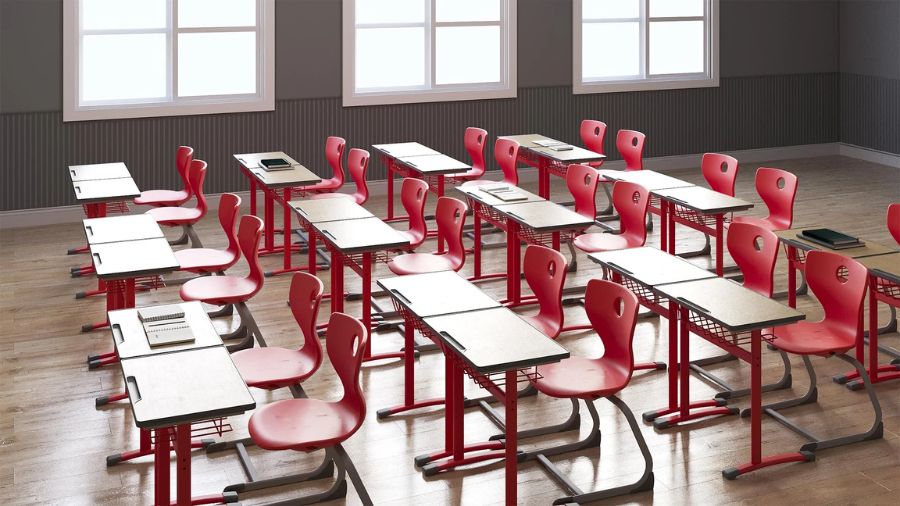
One of the most instant and crucial advantages of contemporary educational furniture is its attention to ergonomics. This merely means developing furniture to fit the human body, not the other way around.
A. Improving Focus and Reducing Discomfort
Imagine trying to pay attention to a tough lesson while feeling an ache in your back or continuously moving in an uncomfortable seat. Conventional, rigid seating forces students of all various structures and sizes into a single, usually unnatural, posture.
1. Height-Adjustable Desks and Chairs – Contemporary furniture usually comes with effortlessly adjustable parts. Student desks and chairs can be rapidly modified in height to ideally fit a tall 10-year-old or a shorter one. When students are seated conveniently with complete support for their backs and feet, they are less distracted by physical discomfort. They can pay attention to the teacher and the lesson.
2. Encouraging Movement – Advanced ergonomic design identifies that sitting ideally still for hours is actually bad for a growing body and a wandering mind. New school seating solutions, such as wobble stools, stability ball chairs, or tilting chairs, permit slight, natural movement. This gentle motion assists in –
- Increased Blood Flow – More blood flow to the brain means students are more alert and less likely to feel drowsy.
- Engage Core Muscles – This strengthens the body and controls the fatigue that comes from continuous slouching.
- Help Fidgety Students – For students who have to move to pay attention, these seats deliver a healthy platform for that energy without disrupting the class.
When students feel physically good, their brains work well, and they can understand more efficiently.
Embracing Flexibility – The Dynamic Classroom
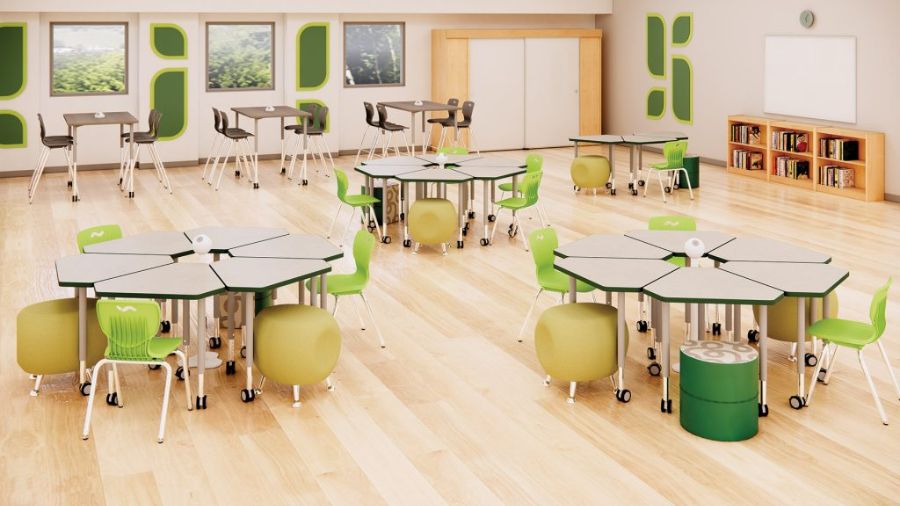
The old classroom design, all desks lined up in neat rows, was developed for a single style of teaching: the teacher speaking from the front. But advanced learning is all about group work, problem-solving, and collaboration. Contemporary classroom furniture makes this conventional effortless and fast.
A. Supporting Collaborative and Active Learning
School furniture with mobility features is the key to making a vibrant learning area.
1. Mobile and Modular Desks – Today’s desks are usually lightweight and have wheels. Teachers and students can change the room layout in minutes –
- From Rows to Groups – Rapidly moving desks into small clusters for team assignments or brainstorming sessions.
- U-Shapes and Circles – Re-arranging for whole-class discussions or presentations where everyone can see each other.
2. Flexible Seating Options – Beyond conventional chairs, classrooms now comprise various kinds of seating, from comfortable beanbags in a reaching corner to standing desks for rapid huddles. Providing students with an option in their seating, renowned as flexible seating, provides them with a sense of control over their learning environment. This option has been demonstrated to enhance engagement and motivation.
3. Multi-Purpose Furniture – Contemporary designs usually serve more than one purpose. A table may be effortlessly adjustable to become a standing workstation, or a set of wheeled storage units can double as room dividers. This flexibility is crucial for enhancing space and supporting various lesion activities during the day.
Flexible furniture permits the classroom to rapidly change to fit the lesson, making learning more active and hands-on, instead of passive.
Fostering Engagement and Creativity
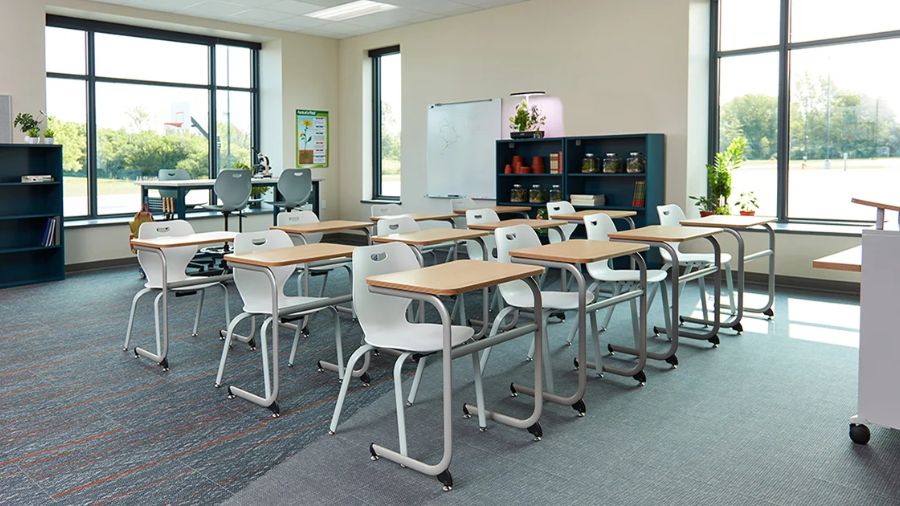
The look and feel of a classroom has a huge psychological effect on students. A thriving, contemporary area feels welcoming, encouraging, and demonstrates to students that the school cares about their comfort and success.
A. Creating a Positive Learning Atmosphere
1. Aesthetics and Design – Contemporary educational furniture utilizes bright, inviting colors and appealing, sleek designs. Unlike the bland, operational look of old furniture, this new aesthetic can spark creativity and make the classroom a more pleasant place to be.
2. The Power of Choice and Ownership – When students are permitted to select their seating or assist in rearranging the furniture, they feel an amazing sense of ownership over the space. This sense of responsibility can result in better behavior and a higher level of respect for the learning environment.
3. Zoned Learning – Contemporary classroom furniture assists teachers in creating various zones within one room –
- A quiet cave space with comfortable seating for independent study.
- A watering hole space with a big table for small group work.
- A campfire space where the entire class collects for instruction. This zone system caters to huge learning styles; some students’ attention is best served in silence, while others flourish in group settings.
Supporting Inclusion and Diverse Needs
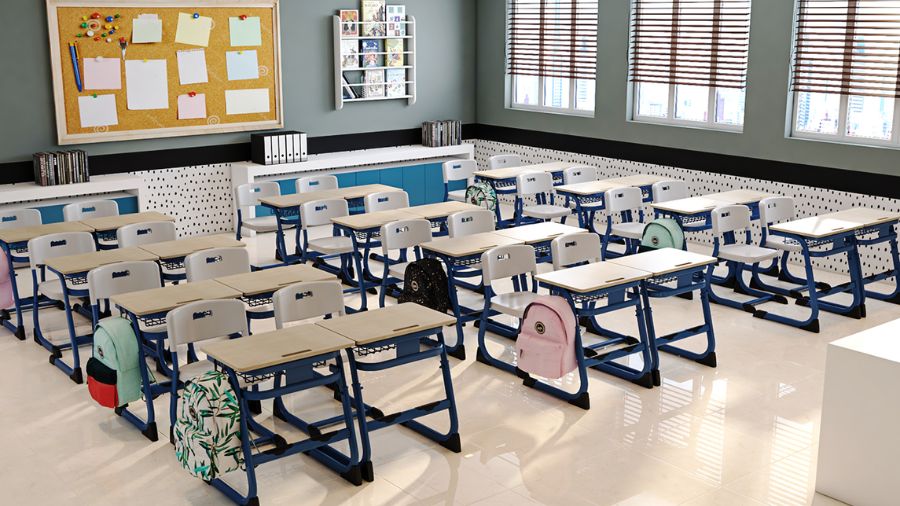
A really contemporary classroom is an inclusive one, where every student, no matter their physical or learning requirements, has the best tools to succeed.
A. Catering to All Learners
Contemporary school seating solutions are developed with inclusivity at the forefront.
1. Accessibility – Height-adjustable desks are vital for students using wheelchairs, making sure they can take part comfortably alongside their peers.
2. Sensory Input – Adaptable seating, such as stability balls or foot fidget bands, can deliver the crucial sensory input for students with specific requirements to assist them in remaining calm and paying attention to the task. These seats permit gentle movement without distraction.
3. Accommodating Growth – Kids grow at various speeds. Educational furniture that can adjust and adapt means schools don’t have to keep replacing furniture, and every student, from the smallest to the tallest, has an ideal fit.
Contemporary furniture assists in creating a fairer, more equal learning environment where every student has the support they need to learn at their best.
Durability and Future-Proofing for Schools
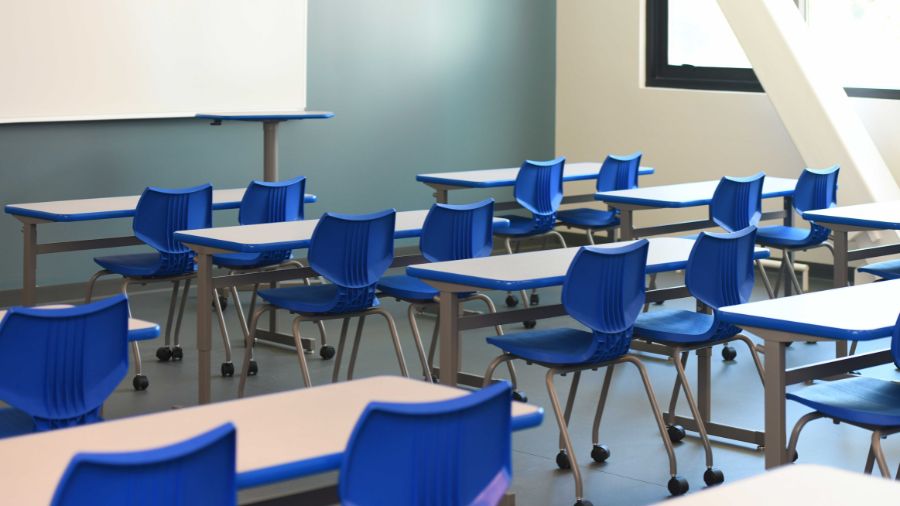
For schools and companies, such as Kellso UAE, that supply top-quality furniture, making an investment in contemporary solutions is also an intelligent decision in the long run.
A. Quality That Lasts –
1. Longevity – Contemporary school furniture is constructed with strong, durable materials that can withstand the regular wear and tear of a busy school environment. This means less usual replacement, which saves the school money over time.
2. Easy Maintenance – New materials are usually very easy to clean and maintain, fostering a healthier, more hygienic classroom environment.
3. Integrating Technology – Contemporary student desks and chairs are usually developed to incorporate technology smoothly with technology, delivering built-in cable management or power access points, making it simpler to utilize laptops, tablets, and interactive screens in the classrooms.
The transformation of the learning area is a crucial investment in the future of education. By moving away from static, one-size-fits-all designs and adjusting to adaptable, ergonomic educational furniture, schools provide students the physical support and vibrant environment they need to flourish.
By emphasizing contemporary classroom furniture and practical school seating options, educational establishments are actively influencing students’ future success rather than merely altering the appearance of a space.