
What is the first thing you notice when you enter a hotel room? The bed was clean and welcoming. The bathroom’s fluffy towels. The dining area’s immaculately laid tablecloth. These are not merely small details; they serve as the unspoken representatives of a hotel’s dedication to comfort, elegance, and cleanliness. We are discussing hotel linen, which is far more important than most visitors realize.
It is essential for hoteliers to comprehend the various kinds of linen, their characteristics, and where to find them. It has a direct effect on operational effectiveness, guest satisfaction, and eventually the hotel’s reputation and financial performance. With trusted suppliers like Kellso UAE, hotels can source premium linen that delivers both quality and durability.
Table of Contents
Why Hotel Linen Matters – More Than Just Fabric

Let’s first examine the significance of hotel linens before getting into the details –
1. Guest Experience – A good guest experience is largely dependent on having linen that is of the highest caliber, spotless, and cozy. It makes for a pleasant meal, a revitalizing shower, and a restful night’s sleep.


2. Safety and Hygiene – In the hospitality sector, cleanliness is a must. A safe environment for visitors is ensured by properly maintained linen, which also stops the spread of germs.
3. Brand Image – The hotel’s brand is reflected in the kind and caliber of linens used. In order to convey its positioning to guests, a luxury hotel will use different linens than a budget hotel.
4. Cost-effectiveness and Durability – Hoteliers require linen that can endure heavy use and frequent washings without losing its integrity or appearance. Over time, durable linen lowers replacement costs.
5. Aesthetics – Linen makes a substantial contribution to the general design and atmosphere of a dining room, hotel room, or bathroom.
Different Types of Linen Used in Various Hotel Areas

Let’s examine each of the distinct hotel linen items that are present in a hotel –
1. Hotel Bed Linen (Guest Rooms)
Comfort really comes into its own here. Perhaps the most important category is hotel bed linen.
Bed Sheets (Flat and Fitted) –
- Flat Sheet (Top Sheet) – The flat sheet (top sheet) is what lies between the blanket or duvet and the visitor.
- Fitted Sheet – A fitted sheet fits snugly over the mattress thanks to its elasticated corners.
- Materials – Mostly cotton (Pima, Egyptian) or cotton-polyester blends. Usually, there are between 250 and 600+ threads.
- Color – Almost entirely white for easier laundering and a neat, tidy, and sanitary appearance.
Pillow Shams and Pillowcases –
- Pillowcases – Typical sleeping pillow covers that typically go with the sheets.
- Pillow Shams – Decorative covers for accent pillows that are taken off before bed, frequently featuring flanges or embroidery.
- Materials – The same materials as bed linens are used.
Duvet Covers –
- These provide protection and ease of washing for the duvet insert (comforter).
- Materials – Cotton, blends of cotton and polyester, and occasionally microfiber. Frequently white.
Comforters and Duvets –
- The fluffy, warm insert. May be packed with feathers, down, synthetic materials (such as polyester fill), or a combination of these.
- Weight – Depending on the season or climate, hotels frequently have varying weights.
Blankets –
- They can be folded at the foot of the bed or placed underneath the duvet to provide an additional layer of warmth.
- Materials – Acrylic, cotton, fleece, or wool.
Mattress protectors or pads –
- An important but frequently hidden layer. Prolongs the mattress’s life and adds another level of comfort by shielding it from spills, stains, and wear.
- Materials – Usually water-resistant or waterproof fabric (such as terry cloth, quilted cotton, or a blend with a membrane).
Bed Skirts/Valances –
- Bed skirts or valances are pieces of ornamental fabric that hide the bed frame and box spring by covering the area between the mattress and the floor.
- Materials – For durability and appearance, polyester or a cotton blend is frequently used.
Bed Runners and Throws –
Lightweight throws or decorative fabric strips are spread across the foot of the bed. They shield the duvet from shoes or luggage while adding a dash of color, texture, and style.
Materials – A variety of textiles, frequently adorned with ornamental patterns or textures.
2. Bathroom Linen (Guest Bathrooms)
A hotel’s quality is largely determined by how soft and absorbent its bathroom linens are.
Bath Towels – After a shower or bath, use these big, absorbent towels to dry.
Hand Towels – Hand drying towels that are smaller.
Face Towels/Washcloths – The smallest towels for cleaning the face are called face towels or washcloths.
Bath mats – To keep people from slipping and to absorb water, place thick, absorbent mats on the floor outside the shower or tub. Compared to other towels, they are frequently heavier and more resilient.
Bathrobes – Especially in upscale hotels, these are provided for the comfort of guests.
- Materials – waffle weave (lighter and quick-drying), velour (luxurious and plush), or terry cotton (soft and absorbent).
Materials for Towels – Towel materials are almost always made of 100% cotton, with terry loop weave for optimal absorbency. Towels are weighed in grams per square meter, or GSM; thicker, denser, and more opulent towels have a higher GSM. For their high-end towels, hotels frequently use 500–800 GSM.
Color – Mostly white, once more for the sake of appearance and ease of bleaching.
3. Food & Beverage Linen (Restaurants, Cafes, Banquets)
Dining linens add elegance and cleanliness to the meal, setting the mood.
Tablecloths – Cover the dining tables with tablecloths. Available in a range of colors to complement the décor, sizes, and shapes (round, square, and rectangular).
- Materials – For durability, stain resistance, and wrinkle-free qualities, polyester or cotton-polyester blends are frequently used. High-end dining establishments may use linen or even 100% cotton.
- Table Skirting – For banquet tables, table skirting is used to conceal table legs and create a clean, formal look by wrapping around the edges.
- Materials – Typically, polyester or blends of polyester.

Napkins – Squares of cloth for each diner.
- Materials – Cotton, blends of cotton and polyester, or occasionally real linen for a more upscale look.
- Color – While white napkins are frequently used, colored napkins are also frequently used to match restaurant décor.
Tray Cloths – Tiny towels set out on serving trays.
Buffet skirting – For buffet lines, this is comparable to table skirting.
Chair covers – Used to add elegance and unify the appearance of chairs at banquets and events.
- Materials – Usually spandex or stretch polyester.
4. Spa & Pool Linen (If Applicable)
Pool Towels – Larger, frequently colored towels designed especially for use at the pool are known as pool towels. Compared to ordinary bath towels, they are typically thicker and more durable.
- Materials – 100% cotton, frequently branded with a hotel logo or in a distinctive color to avoid being confused for bath towels or being taken off the property.
Spa Towels – Spa towels are comparable to bath towels, but they may be even more opulent or made especially for spa treatments.
- Spa Robes – Opulent and cozy robes for visitors to the spa.
5. Staff Uniforms
Uniforms are an essential textile component of a hotel, even though they aren’t typically thought of as “linen.” They define staff roles and project a professional image.
- Materials – Typically long-lasting, low-maintenance textiles such as polyester, cotton-polyester blends, or specialty performance textiles.
Sourcing Your Hotel Linen – The Importance of Reliable Suppliers
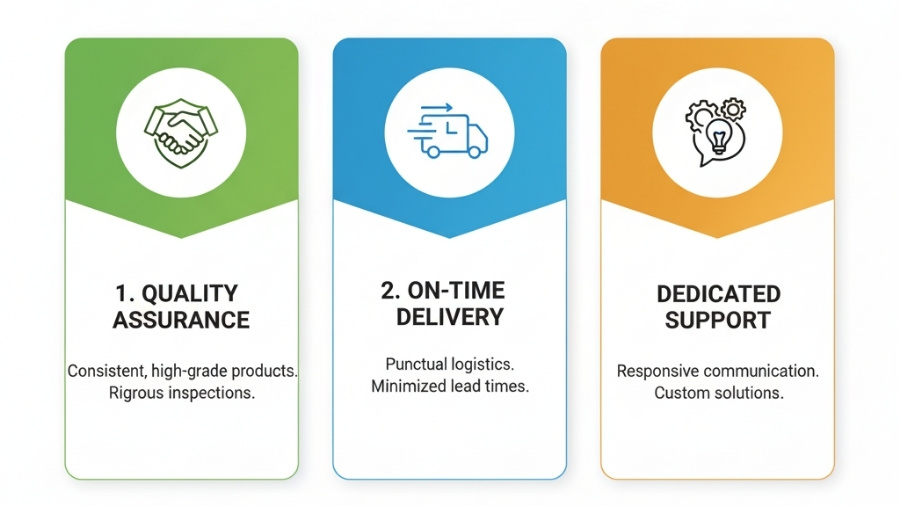
Choosing the right Hotel Linen Suppliers in UAE is a decision that impacts every aspect of your hotel’s operations.
1. Consistency in Quality – You need vendors who can reliably provide high-quality goods that satisfy your requirements (e.g., GSM for towels, specific thread count for hotel bed linen).
2. Durability – Hoteliers need linen that won’t deteriorate easily under harsh daily use and industrial laundering procedures. Here, it’s crucial to work directly or through reliable suppliers with seasoned hotel linen manufacturers like Kellso.
3. Availability and Inventory – A reliable supplier guarantees a consistent flow of linen, reducing stock-outs and operational interruptions.
4. Customization – A lot of hotels request that their logo be embroidered on robes or towels, or that their F&B linens be a certain color. These requests ought to be accommodated by suppliers.
5. Cost-Effectiveness – Although suppliers must provide competitive pricing and transparent invoicing, quality is of utmost importance.
6. Sustainability – More and more hotels are searching for vendors who provide environmentally friendly linen choices, like recycled materials or organic cotton.
When looking for hotel linen suppliers UAE or hotel bedding suppliers in general, take into account their track record, customer reviews, and capacity to supply samples for quality control. Kellso UAE has established itself as a trusted partner for many leading hotels in the region.
Care and Maintenance – Extending the Life of Your Linen
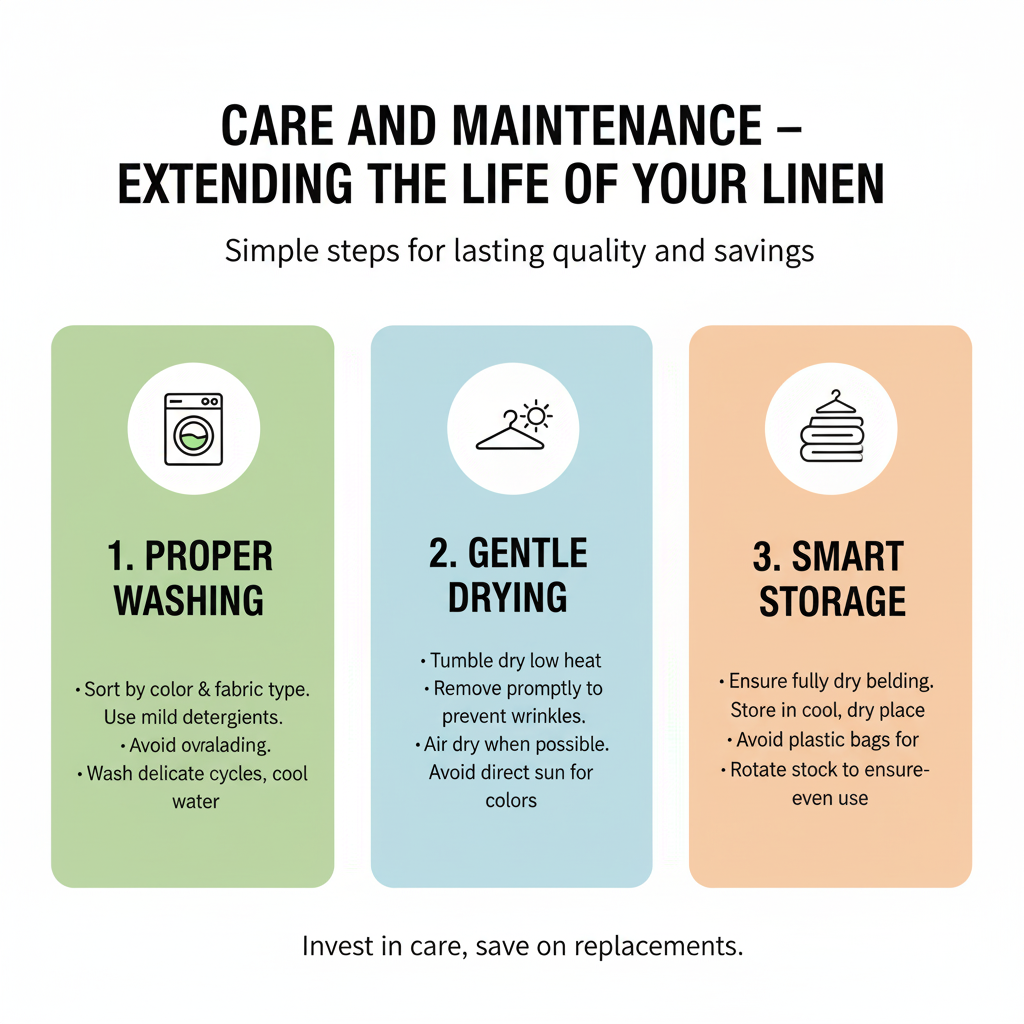
If not properly cared for, even the best hotel linen will eventually wear out. Hotels usually have their own industrial laundries or use professional laundry services. Important things to think about are –
1. Appropriate Washing Temperatures – The right temperature for washing depends on the type of fabric.
2. Correct Detergents and Bleaches – The right detergents and bleaches are essential for cleaning and stain removal without causing damage to fibers.
3. Proper Drying – Over-drying shortens the life of linens and damages fibers.
4. Folding and Storage – Linen that is folded neatly and stored correctly keeps its appearance and doesn’t wrinkle.
5. Stain Management – It’s critical to treat stains quickly and efficiently.
The Future of Hotel Linen – Innovation and Sustainability
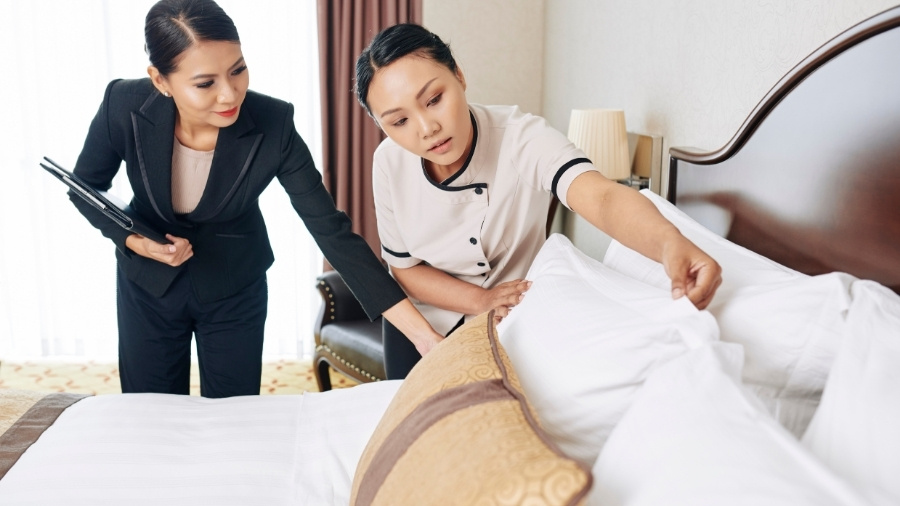
The hotel linen market is always changing. Trends that we are observing point to –
1. Smart Textiles – Smart textiles are textiles that have embedded technology for monitoring, improved hygiene, or temperature control.
2. Sustainability – The rising demand for linen produced using eco-friendly methods, recycled polyester, and organic cotton. Greener production techniques are being invested in by hotel linen manufacturers.
3. Improved Durability – Weaving and fiber treatment innovations produce linen that lasts even longer.
4. Hypoallergenic Options – More linens made especially for allergy-stricken visitors are now available.
Conclusion
Hotel linen is much more than just fabric, as seen in the opulent embrace of hotel bed linen and the practical elegance of a restaurant tablecloth. It is an essential component of the visitor experience, evidence of hygienic standards, and a representation of the hotel’s brand. To achieve operational excellence and long-term guest satisfaction, hoteliers must make well-informed decisions regarding fibers, types, and—above all—partnering with reputable Hotel Linen Suppliers in UAE like Kellso UAE, and committed hotel linen manufacturers.
The next time you dry off with a soft towel or sink into a luxurious hotel bed, remember to give thanks to the unsung heroes of hospitality who make your stay genuinely unforgettable.
FAQs
Why do hotel towels feel softer and more absorbent?
Because of a combination of premium materials and particular laundering methods, hotel towels feel softer and more absorbent. Usually, they are composed entirely of long-staple cotton, such as Turkish or Egyptian cotton, which has longer fibers for a softer texture. Additionally, hotels frequently steer clear of fabric softeners that can accumulate and decrease absorbency in favor of gentle, industrial-grade washers and dryers.
How often do hotels replace their bed linen and towels?
The standards and occupancy of the hotel determine how often the linens need to be changed. While mid-range and low-cost hotels may do so less frequently, high-end hotels typically replace towels and bed linens after each visitor’s stay. When linens get worn, discolored, or damaged, hotels replace them on a regular basis in addition to daily changes.
Why do hotels use white linen instead of colored ones?
White linen is mostly used by hotels to convey an air of luxury, cleanliness, and hygiene. Because white linen is simpler to bleach and sanitize, stains are easier to find and remove. Its crisp, clean appearance also offers a neutral background that goes well with any type of room décor and gives the space a new, welcoming feel.
What kind of pillowcases are used in luxury hotels?
Pillowcases from luxury hotels are usually made of premium 100% cotton and frequently have a high thread count (400 or more). Because of their long fibers, which produce a very soft, smooth, and long-lasting fabric, materials like Egyptian or Pima cotton are popular choices. Depending on the desired feel, the pillowcases frequently have a sateen or percale weave.
What are the common types of linen used in hotels?
The most popular kinds of linen used in hotels are divided into groups according to their location and purpose. These consist of –
- Bed linens include mattress protectors, duvet covers, pillowcases, and sheets.
- Bath linen includes bath mats, hand towels, face towels, and bath towels.
- Tablecloths, napkins, and table runners for banquet spaces and restaurants are examples of food and beverage linen.
What type of bed sheets do most hotels use?
The majority of hotels, especially mid-range and luxury hotels, use 100% cotton bed linens. A cotton-polyester blend is a popular option because it combines the durability and wrinkle resistance of polyester with the breathability of cotton, making it perfect for frequent washing. These sheets usually have between 250 and 400 threads.
What is the difference between percale and sateen hotel linen?
The weave of percale and sateen linen differs from one another.
- Percale – One thread over, one thread under is the tight, plain weave used in percale. This produces a matte-finished fabric that is cool, crisp, and breathable. Percale is renowned for its resilience and is frequently likened to the texture of a newly ironed dress shirt.
- Sateen – This type of weave has more surface threads (three or four over, one under). This gives the fabric a subtle sheen and a smooth, silky feel, which makes it feel warmer and more opulent than percale.
How do hotels ensure the durability of their linen?
By purchasing premium materials from reputable producers, hotels can guarantee the longevity of their linen. In order to prevent fiber damage, they also use professional, industrial-grade laundry procedures with precise chemical usage, optimized wash cycles, and appropriate drying methods. Their strategy also includes the timely replacement of worn-out items and regular rotation.
What role does GSM play in hotel towels and bathrobes?
The weight and density of a towel or bathrobe are measured in “Grams per Square Metre,” or GSM. A product with a higher GSM is denser, heavier, and more upscale.
- Lower GSM (300–400) – Usually used for gym or pool towels, these towels are lighter, thinner, and dry faster.
- Medium GSM (400-600) – Standard bath towels typically have a medium GSM (400–600), which strikes a good balance between absorbency, drying time, and plushness.
- Higher GSM (600+) – Used for luxury bathrobes and high-end bath towels to create a luxurious, spa-like experience, these materials are incredibly thick, heavy, and absorbent.
Also Read: Why Expats in Dubai Prefer Bespoke Furniture Over Store-Bought Pieces